Understanding What is Normal and Not Normal During Tattoo Healing
Updated: May 12
Getting a tattoo is an exciting experience, but the healing process can raise many questions. Knowing what to expect during tattoo healing helps you care for your new ink properly and avoid complications. This post explains the typical signs of healing and highlights warning signs that mean you should seek professional advice.
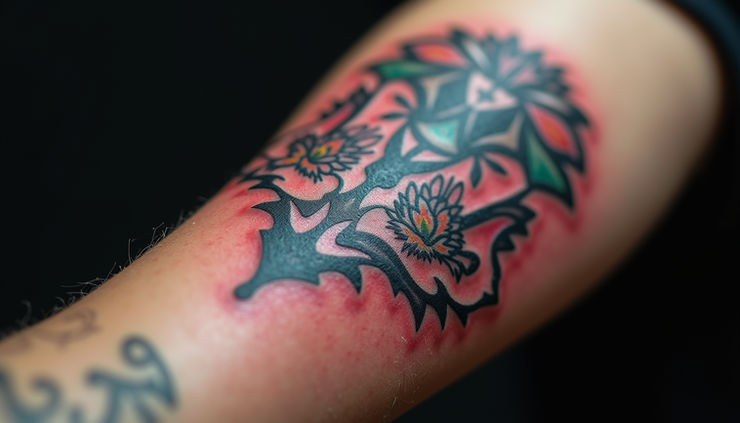
What Happens Right After Getting a Tattoo
Immediately after the tattoo session, your skin will be raw and sensitive. The tattoo artist usually covers the area with a protective bandage or plastic wrap to keep it clean and prevent bacteria from entering. This initial protection stays on for a few hours, depending on the artist’s instructions.
During this time, the tattooed skin may feel warm, tender, and slightly swollen. These reactions are normal because the tattoo needle creates tiny wounds in the skin to deposit ink. Your body starts the healing process by sending fluids and immune cells to the area.
Normal Signs During Tattoo Healing
Understanding normal healing signs helps you avoid unnecessary worry. Here are common symptoms you can expect in the first two weeks:
Redness and Swelling: Mild redness and swelling around the tattoo are typical for the first few days. The skin may look inflamed but should gradually improve.
Scabbing and Peeling: As the skin heals, it forms thin scabs or flakes. Peeling is similar to a sunburn peeling and indicates new skin growth underneath.
Itching: Itching is a sign your skin is repairing itself. Avoid scratching to prevent damage or infection.
Dull or Cloudy Appearance: The tattoo may look less vibrant during peeling but will brighten as healing completes.
Clear Fluid or Plasma: Some clear or slightly yellowish fluid may ooze from the tattoo. This is normal as long as it is not excessive or foul-smelling.
These signs usually appear within the first week and improve by the second week. Most tattoos heal on the surface within 10 to 14 days, but deeper layers take longer.
When Tattoo Healing Is Not Normal
Certain symptoms indicate problems that require attention. Watch for these signs:
Excessive Redness or Swelling: If redness spreads beyond the tattoo or swelling worsens after a few days, it could signal infection.
Pus or Thick Yellow/Green Discharge: This is a clear sign of infection and needs medical care.
Severe Pain or Burning: Intense pain that does not improve or gets worse is not normal.
Fever or Chills: These symptoms suggest your body is fighting an infection.
Hard Lumps or Raised Bumps: While some raised skin is normal, hard lumps or large bumps may indicate an allergic reaction or other issues.
Foul Odor: A bad smell coming from the tattoo is a warning sign of infection.
Blistering or Excessive Bleeding: Blisters or bleeding beyond the first day should be evaluated by a professional.
If you notice any of these symptoms, contact your tattoo artist or a healthcare provider promptly.

Tips for Supporting Healthy Tattoo Healing
Proper aftercare is crucial to avoid complications and keep your tattoo looking great. Follow these practical tips:
Keep It Clean: Gently wash the tattoo with mild, fragrance-free soap and lukewarm water twice a day. Pat dry with a clean towel.
Moisturize: Apply a thin layer of recommended tattoo ointment or fragrance-free lotion to keep the skin hydrated.
Avoid Picking or Scratching: Let scabs fall off naturally to prevent scarring or ink loss.
Stay Out of the Sun: UV rays can damage healing skin and fade your tattoo. Use loose clothing to cover the area.
Avoid Swimming: Pools, hot tubs, and natural bodies of water can introduce bacteria and irritate the tattoo.
Wear Loose Clothing: Tight clothes can rub against the tattoo and slow healing.
Follow Your Artist’s Instructions: They know best how to care for their work.
How Long Does Tattoo Healing Take?
The visible healing usually takes about two weeks, but full healing beneath the skin can take up to six months. During this time, your tattoo may go through several stages:
Days 1-3: Redness, swelling, and oozing fluid.
Days 4-7: Scabbing and peeling start.
Days 8-14: Peeling continues, itching peaks, and skin looks dull.
Weeks 3-6: Skin smooths out, and color brightens.
Months 2-6: Deeper skin layers fully heal.
Here is a detailed post about the healing process
When to See a Doctor
If you experience any signs of infection or allergic reaction, seek medical advice quickly. Early treatment prevents complications and protects your health. Also, if your tattoo shows unusual changes weeks after healing, such as fading, raised areas, or persistent irritation, a professional can help.


Comments